
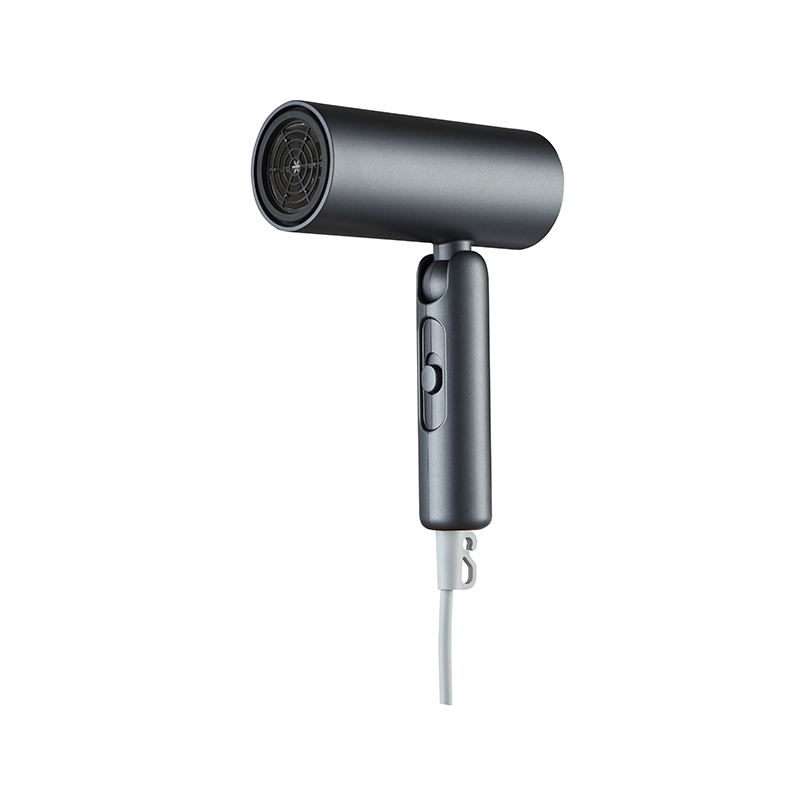

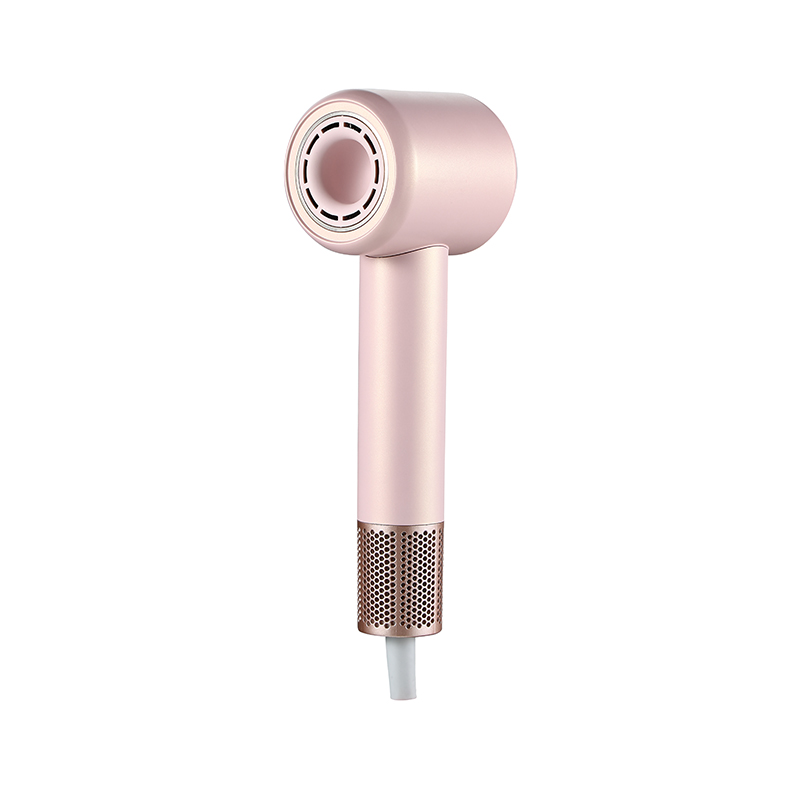
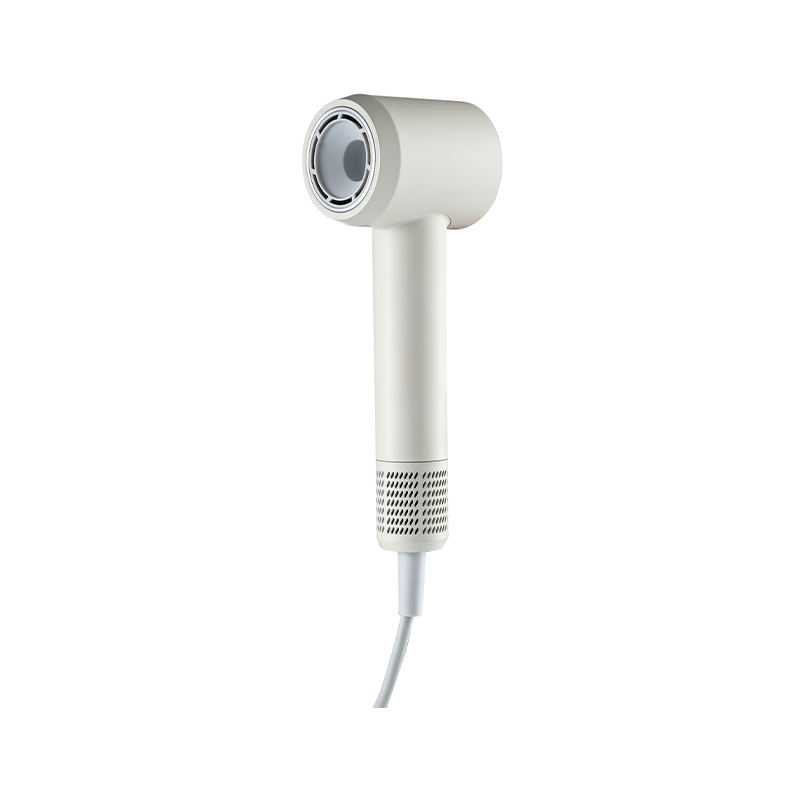


How does a multi-head high-speed air comb achieve precise control for different hairstyle needs with three airflow settings?
Release Time : 2026-06-09
With the continuous upgrading of modern hair styling tools, the multi-head high-speed air comb, integrating drying, combing, and styling functions, has become an important tool in both home and professional styling scenarios. The three-speed airflow setting is key to achieving precise styling control, providing more flexible solutions for different hair types and styling needs through combinations of different airflow intensities.
1. Low Airflow Mode for Fine Styling and Gentle Care
At low airflow settings, the multi-head high-speed air comb outputs a gentle and stable airflow, making it more suitable for fine or damaged hair. The core advantage of this setting is reduced impact on the hair strands, allowing the hair to dry gradually with minimal disturbance, while facilitating fine styling, such as styling bangs, curling the ends inwards, or adjusting localized volume. Low airflow also reduces frizz, resulting in a more natural and smooth overall hairstyle.
2. Medium Airflow Mode: Balancing Efficiency and Styling Stability
The medium airflow mode is suitable for everyday quick drying and basic styling. In this mode, the airflow intensity is moderate, accelerating moisture evaporation without excessively disrupting the hair structure, making it ideal for users with medium to normal hair volume. Combined with different comb tooth structures, the multi-head design allows for even straightening, natural volume, or basic curl shaping at medium airflow, making the styling process more efficient and stable.
3. High Airflow Mode: Enhancing Quick Drying and Strong Styling Ability
The high airflow mode provides a stronger airflow output, suitable for thick hair or scenarios requiring quick drying. In this mode, the airflow quickly penetrates the hair layers, removing a large amount of moisture and significantly shortening drying time. Simultaneously, the high airflow combined with the multi-head comb tooth structure enhances root support, achieving a more noticeable volume or straightening effect, meeting professional-grade quick styling needs.
4. Multi-Airflow Coordination for Zoned Styling Control
The real advantage of the 3 airflow levels lies in the flexible switching and zoned use. During the actual styling process, differentiated control can be applied according to the needs of different areas of the head. For example, high airflow is used at the roots to enhance support, medium airflow is used in the mid-section to ensure smoothness, and low airflow is used at the ends for fine styling. This zoned control method makes the overall hairstyle more three-dimensional, natural, and layered.
5. Enhancing Styling Precision with Negative Ion Technology
In addition to airflow control, multi-head high-speed air combs are usually equipped with a negative ion release function. Negative ions can neutralize static electricity, reduce frizz, and make the styling effect more stable at different airflow speeds. During the high-speed rapid drying process, negative ions help keep the hair smooth; during low-speed fine styling, they enhance shine and make the overall hairstyle more refined.
6. Intelligent Airflow Design Improves Usability Consistency
To ensure the stability of switching between the three airflow speeds, the device typically uses an optimized air duct structure and an intelligent air pressure control system, making the airflow output between different speeds more uniform and smooth, avoiding styling damage caused by sudden changes in airflow. Meanwhile, the multi-head comb structure evenly distributes airflow, ensuring consistent treatment for every strand of hair and improving overall styling control.
In summary, the multi-head high-speed air comb, with its scientifically adjustable low, medium, and high wind speeds, covers all scenarios from delicate care to rapid drying to powerful styling. Combined with its multi-head structure and negative ion technology, it not only improves styling efficiency but also enhances the naturalness and longevity of hairstyles, allowing users to achieve a more precise and professional styling control experience based on different hair types and styling needs.
1. Low Airflow Mode for Fine Styling and Gentle Care
At low airflow settings, the multi-head high-speed air comb outputs a gentle and stable airflow, making it more suitable for fine or damaged hair. The core advantage of this setting is reduced impact on the hair strands, allowing the hair to dry gradually with minimal disturbance, while facilitating fine styling, such as styling bangs, curling the ends inwards, or adjusting localized volume. Low airflow also reduces frizz, resulting in a more natural and smooth overall hairstyle.
2. Medium Airflow Mode: Balancing Efficiency and Styling Stability
The medium airflow mode is suitable for everyday quick drying and basic styling. In this mode, the airflow intensity is moderate, accelerating moisture evaporation without excessively disrupting the hair structure, making it ideal for users with medium to normal hair volume. Combined with different comb tooth structures, the multi-head design allows for even straightening, natural volume, or basic curl shaping at medium airflow, making the styling process more efficient and stable.
3. High Airflow Mode: Enhancing Quick Drying and Strong Styling Ability
The high airflow mode provides a stronger airflow output, suitable for thick hair or scenarios requiring quick drying. In this mode, the airflow quickly penetrates the hair layers, removing a large amount of moisture and significantly shortening drying time. Simultaneously, the high airflow combined with the multi-head comb tooth structure enhances root support, achieving a more noticeable volume or straightening effect, meeting professional-grade quick styling needs.
4. Multi-Airflow Coordination for Zoned Styling Control
The real advantage of the 3 airflow levels lies in the flexible switching and zoned use. During the actual styling process, differentiated control can be applied according to the needs of different areas of the head. For example, high airflow is used at the roots to enhance support, medium airflow is used in the mid-section to ensure smoothness, and low airflow is used at the ends for fine styling. This zoned control method makes the overall hairstyle more three-dimensional, natural, and layered.
5. Enhancing Styling Precision with Negative Ion Technology
In addition to airflow control, multi-head high-speed air combs are usually equipped with a negative ion release function. Negative ions can neutralize static electricity, reduce frizz, and make the styling effect more stable at different airflow speeds. During the high-speed rapid drying process, negative ions help keep the hair smooth; during low-speed fine styling, they enhance shine and make the overall hairstyle more refined.
6. Intelligent Airflow Design Improves Usability Consistency
To ensure the stability of switching between the three airflow speeds, the device typically uses an optimized air duct structure and an intelligent air pressure control system, making the airflow output between different speeds more uniform and smooth, avoiding styling damage caused by sudden changes in airflow. Meanwhile, the multi-head comb structure evenly distributes airflow, ensuring consistent treatment for every strand of hair and improving overall styling control.
In summary, the multi-head high-speed air comb, with its scientifically adjustable low, medium, and high wind speeds, covers all scenarios from delicate care to rapid drying to powerful styling. Combined with its multi-head structure and negative ion technology, it not only improves styling efficiency but also enhances the naturalness and longevity of hairstyles, allowing users to achieve a more precise and professional styling control experience based on different hair types and styling needs.