
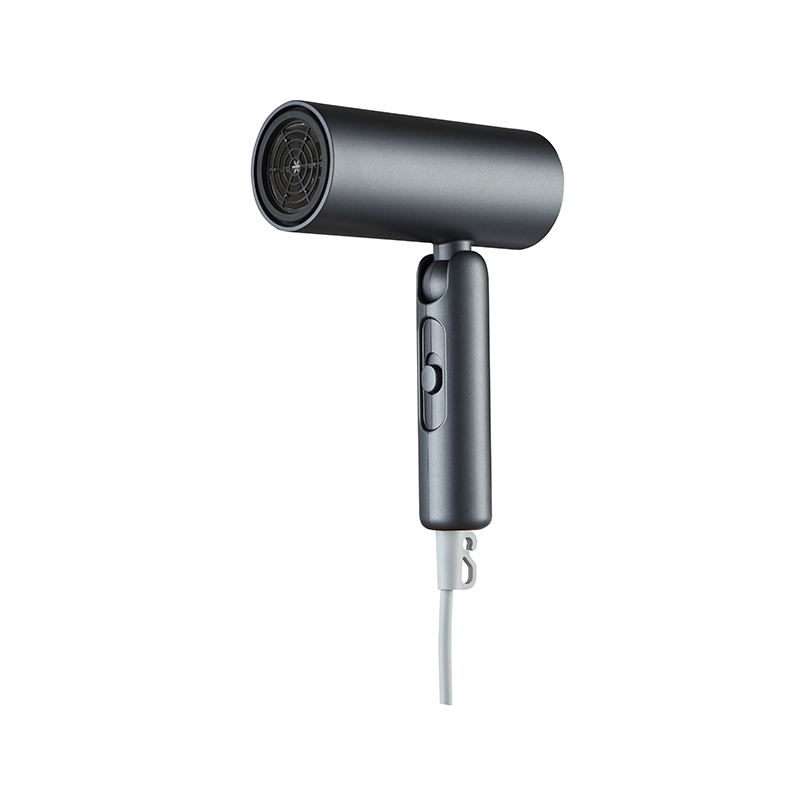

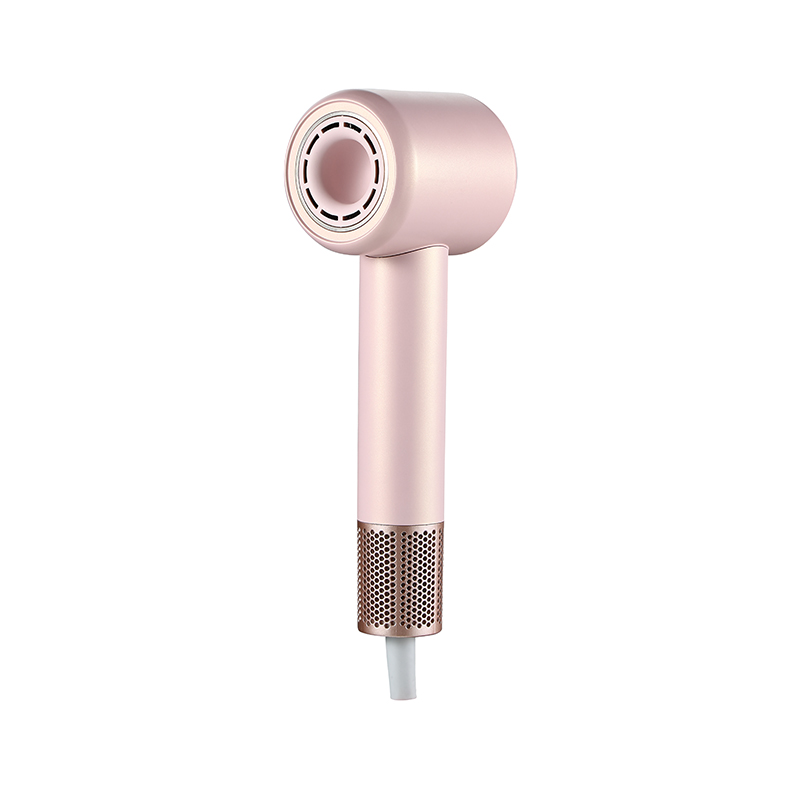
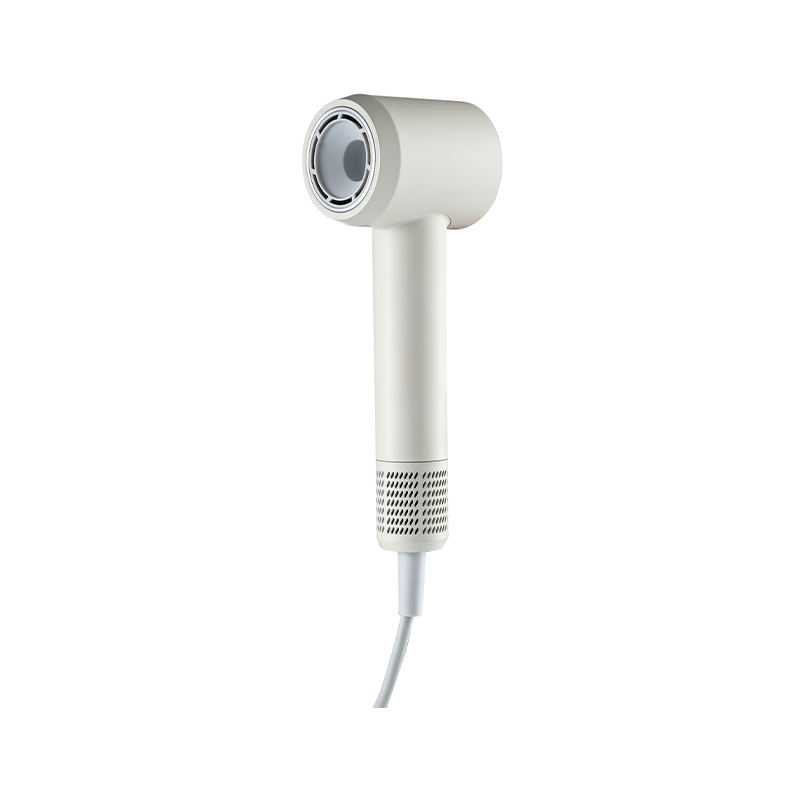


How does the temperature control system of a high-speed hair dryer (mini) ensure that it avoids overheating and damaging the hair?
Release Time : 2026-03-12
The high-speed hair dryer (mini), with its compact design and powerful performance, has become a popular choice in modern hair care. Its core technology, the temperature control system, directly impacts hair health. Traditional hair dryers rely on single-temperature control, which can easily lead to cuticle lifting, dryness, and breakage due to high temperatures. The high-speed hair dryer (mini), however, minimizes the risk of heat damage through multi-dimensional temperature control technology. Its core mechanism is reflected in the following aspects:
A smart sensor acts as the "sensing center" of the high-speed hair dryer (mini)'s temperature control system. Traditional hair dryers can only adjust the temperature through fixed settings, while the high-speed hair dryer (mini) incorporates a high-precision temperature sensor that monitors changes in the air outlet temperature in real time. When the user brings the hair dryer close to the scalp or hair ends, the sensor quickly detects temperature fluctuations and transmits the data to the control chip. This dynamic sensing capability allows the hair dryer to adjust the temperature according to the actual usage scenario, avoiding localized overheating and hair damage. For example, when the system detects that the air outlet temperature is approaching a critical damage value, it immediately activates a cooling mechanism to ensure the air temperature remains within a safe range.
The control chip and algorithms constitute the "decision-making brain" of the temperature control system. The high-speed hair dryer (mini) uses an intelligent control chip, combined with PID algorithms or fuzzy control technology, to perform high-speed calculations on data fed back from sensors. The chip dynamically adjusts the power output of the heating element based on the user-set temperature level, the current ambient temperature, and the hair's moisture content. This precise control not only avoids temperature fluctuations but also optimizes drying efficiency based on hair condition. For example, when hair is highly moist, the system appropriately increases the temperature to accelerate moisture evaporation; when hair is nearly dry, it automatically lowers the temperature to prevent damage to the hair cuticles due to high temperatures.
The rapid response capability of the heating element is the "execution guarantee" of the temperature control system. The high-speed hair dryer (mini) typically uses PTC ceramic heating elements or nanofilm heating technology, which are characterized by rapid heating and low thermal inertia. When the control chip issues a temperature adjustment command, the heating element can adjust its power within milliseconds, achieving precise temperature control. Compared to traditional heating wires, PTC heating elements possess automatic temperature control. Even in the event of airflow blockage or voltage fluctuations, they maintain stable temperature through changes in the material's resistance, thus avoiding the risk of overheating.
Optimized airflow design further enhances temperature control. The high-speed hair dryer (mini) utilizes fluid dynamics simulation technology to optimize its internal airflow structure, ensuring even heating of the airflow as it passes through the heating element. This design not only improves drying efficiency but also prevents localized overheating. Additionally, some high-end models feature a temperature equalization ring at the air outlet, using a special structure to mix hot and cold air, further reducing temperature fluctuations and providing a gentler drying experience for the hair.
Multiple protection mechanisms form the "safety line" of the temperature control system. In addition to active temperature control, the high-speed hair dryer (mini) is equipped with overheat protection devices, such as bimetallic thermostats or thermal fuses. When sensors or chips malfunction, these passive protection devices directly cut off the circuit, preventing the heating element from continuing to overheat. In addition, some models are equipped with motor stall protection and voltage abnormality protection functions to ensure the hair dryer operates safely under various abnormal conditions, avoiding the risk of fire or burns caused by equipment failure.
The user-friendly design makes the temperature control system more tailored to actual needs. The high-speed hair dryer (mini) provides users with an intuitive temperature adjustment interface through an LED display, touch buttons, or a mobile app. Users can select preset temperature levels or customize temperature profiles according to hair type (e.g., fine/soft hair, coarse/stiff hair) or styling needs (e.g., straight hair, curly hair). Some models also support a hot and cold air circulation mode, which helps close hair cuticles by alternately blowing out cool and hot air, improving hair shine while reducing the continuous damage of high temperatures to the hair.
The high-speed hair dryer (mini)'s temperature control system constructs a complete heat damage protection system through the synergy of multiple technologies, including intelligent sensing, precise control, rapid response, optimized airflow, multiple protections, and user interaction. This design not only meets users' needs for efficient hair drying but also integrates hair care concepts into the core of the product, making every hair drying session a gentle care for the hair.